

Rachel Wahl’s New Book Explores What Political Dialogue Can Accomplish
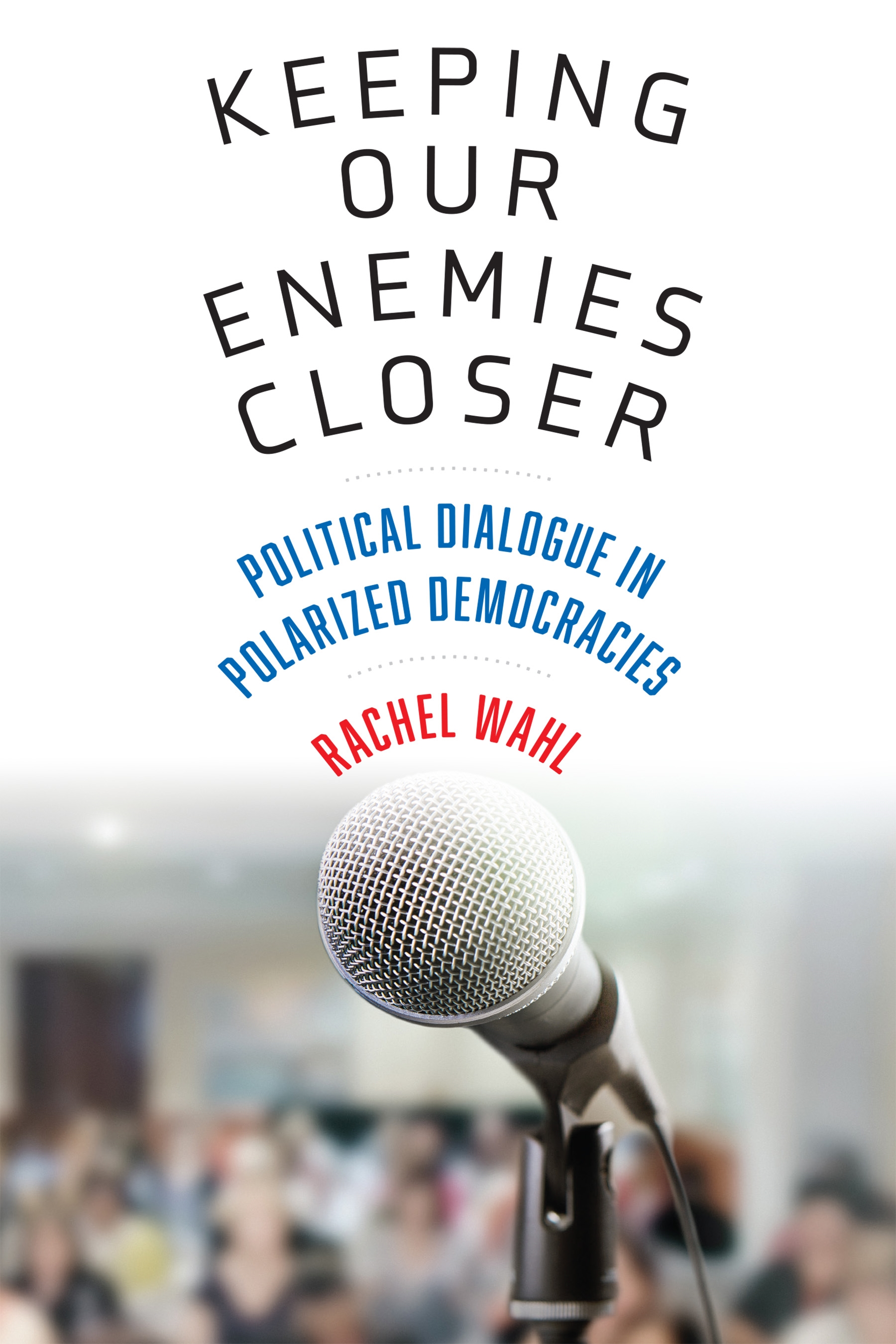
"Keeping Our Enemies Closer" by Rachel Wahl
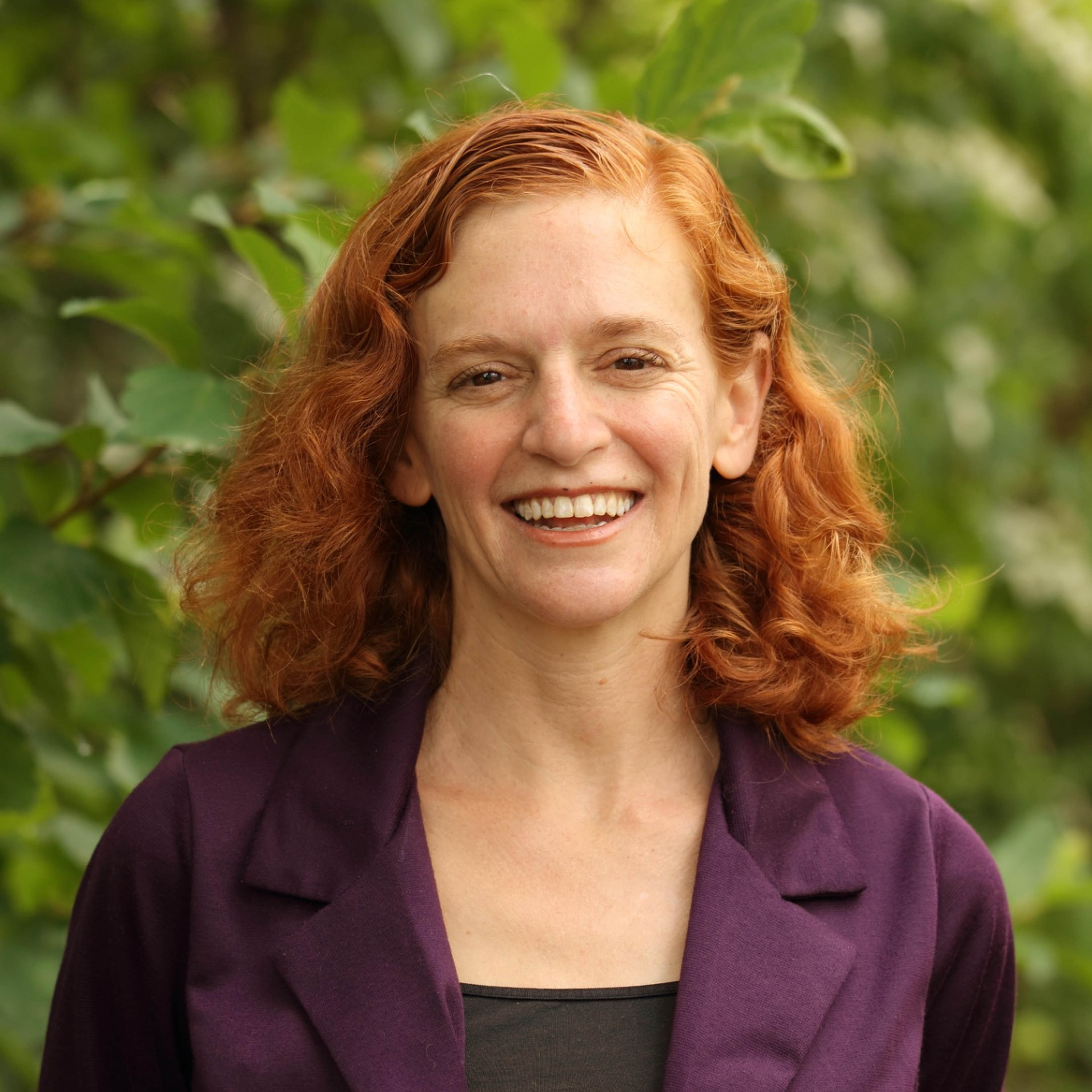
Rachel Wahl, Professor, Social Foundations Program, Department of Leadership, Foundations and Policy at the University of Virginia's School of Education and Human Development
“Keeping Our Enemies Closer” examines how people can respect someone they disagree with and offers guidance for conversations.
Among the college students Wahl studied, conversations across political divides most often changed how participants felt about one another. They continued to disagree, but came away with a different understanding of the person whose views they opposed.
“Most of the people I interviewed after they participated in these discussions still thought their conversation partners were wrong,” Wahl writes. “But they came to see those others as decent, even as relatable, in their reasons and aspirations.”
Wahl’s research included structured campus dialogues and police-community forums, with follow-up interviews years later. The book looks at what participants gained from these encounters and where dialogue fell short, especially when people’s rights were threatened or they wanted an institution to change.
On campuses, students came to see their political opponents as legitimate fellow citizens without accepting their views. Common ground helped, but agreement was not the only way to build understanding. Learning about the moral convictions behind an opposing position also changed how students saw one another.
These conversations were harder for students whose rights were threatened by the opposing party. Some nevertheless found them worthwhile. Some students from minoritized groups felt heard and recognized in ways they had not experienced elsewhere in academic life.
Wahl also writes about how difficult it can be to listen when someone feels threatened. In the preface, she describes her own experience in Charlottesville on August 12, 2017.
“My son was three years old and about to begin daycare at our synagogue when neo-Nazis threatened to burn it down,” she writes. “What I learned that terrible August and in the years that followed is how fear contracts curiosity.”
In the police-community forums, participants wanted concrete changes. Wahl reports that the forums led to no direct outcomes, but she also follows the relationships and later actions connected to the conversations. One chief went on to implement changes requested at the forums while leading a different police department.
The book’s conclusion offers guidance based on what a conversation is meant to accomplish. For organizers seeking mutual understanding, Wahl recommends working with participants to establish norms and encouraging sincere curiosity about their disagreements. She also recommends giving participants opportunities to talk with mentors after difficult encounters.
When people want an organization to change, the process needs clear goals and an explanation of how those goals will be pursued. Participants should know when and how they will receive updates. Wahl also recommends ways to hold organizations accountable, including reporting back on progress even when participants have no formal authority over the institution.
With the November 3 U.S. midterm elections approaching, the book gives universities and civic groups a way to consider what they hope political conversations will achieve. Wahl’s research shows why a conversation can be worthwhile even when no one changes sides. It also explains why listening alone is not enough when participants are seeking changes in how an institution operates.
ABOUT THE AUTHOR
Rachel Wahl is Professor in the Social Foundations Program in the Department of Leadership, Foundations and Policy at the University of Virginia School of Education and Human Development. She directs the Good Life Political Project and is a Faculty Fellow at UVA’s Karsh Institute of Democracy. She is also the author of “Just Violence: Torture and Human Rights in the Eyes of the Police” (Stanford University Press, 2017).
ABOUT THE BOOK
In “Keeping Our Enemies Closer: Political Dialogue in Polarized Democracies,” Rachel Wahl draws on campus dialogues and police-community forums to explore how people come to respect someone they still disagree with, and why that understanding does not always lead to institutional change.
MEDIA CONTACT
To request a copy of “Keeping Our Enemies Closer," contact publicist Nanda Dyssou of Coriolis Company.
Nanda Dyssou
Coriolis
+1 424-226-6148
Visit us on social media:
LinkedIn
Instagram
Facebook
X
Legal Disclaimer:
EIN Presswire provides this news content "as is" without warranty of any kind. We do not accept any responsibility or liability for the accuracy, content, images, videos, licenses, completeness, legality, or reliability of the information contained in this article. If you have any complaints or copyright issues related to this article, kindly contact the author above.
